
How to Power Land (Grid vs Off-Grid)
Before you buy land, you need to know how you’ll actually power it. Here’s a simple breakdown of your main options.
INTRO
If a piece of land works, one of the first real questions is:
How are you going to power it?
This is where a lot of folks get overwhelmed.
You start hearing about solar systems, batteries, inverters, grid hookups… and before long it feels like you need a $10,000–$15,000 setup just to get started.
You don’t.
Let’s walk through this in plain English so you understand your options—and what actually makes sense.
WHAT THIS PAGE WILL HELP YOU DO
This page will help you:
- Understand your main power options
- Know what’s realistic for your land
- Avoid overspending early
- Get a simple starting point
POWER OPTIONS
Grid Power
This is the simplest option—if it’s available.
If power lines are nearby and hookup cost is reasonable, this is usually the easiest route.
Pros:
- Reliable
- No maintenance
- No learning curve
- Can be expensive to connect
- Monthly electric bill
- Not always available on rural land
👉 Some land looks cheap until you realize power is half a mile away.
Off-Grid Solar
This is what most people think about—and for good reason.
Pros:
- No monthly bill
- Works almost anywhere
- Can start small and expand
- Upfront cost
- Learning curve
- Needs basic planning
👉 You do NOT need a massive system to start.
Hybrid
A mix of grid + solar.
Pros:
- Flexibility
- Backup during outages
- More complex
- Higher upfront cost
WHAT YOU ACTUALLY NEED
If you go solar, every system comes down to a few core parts:
- Battery → stores power
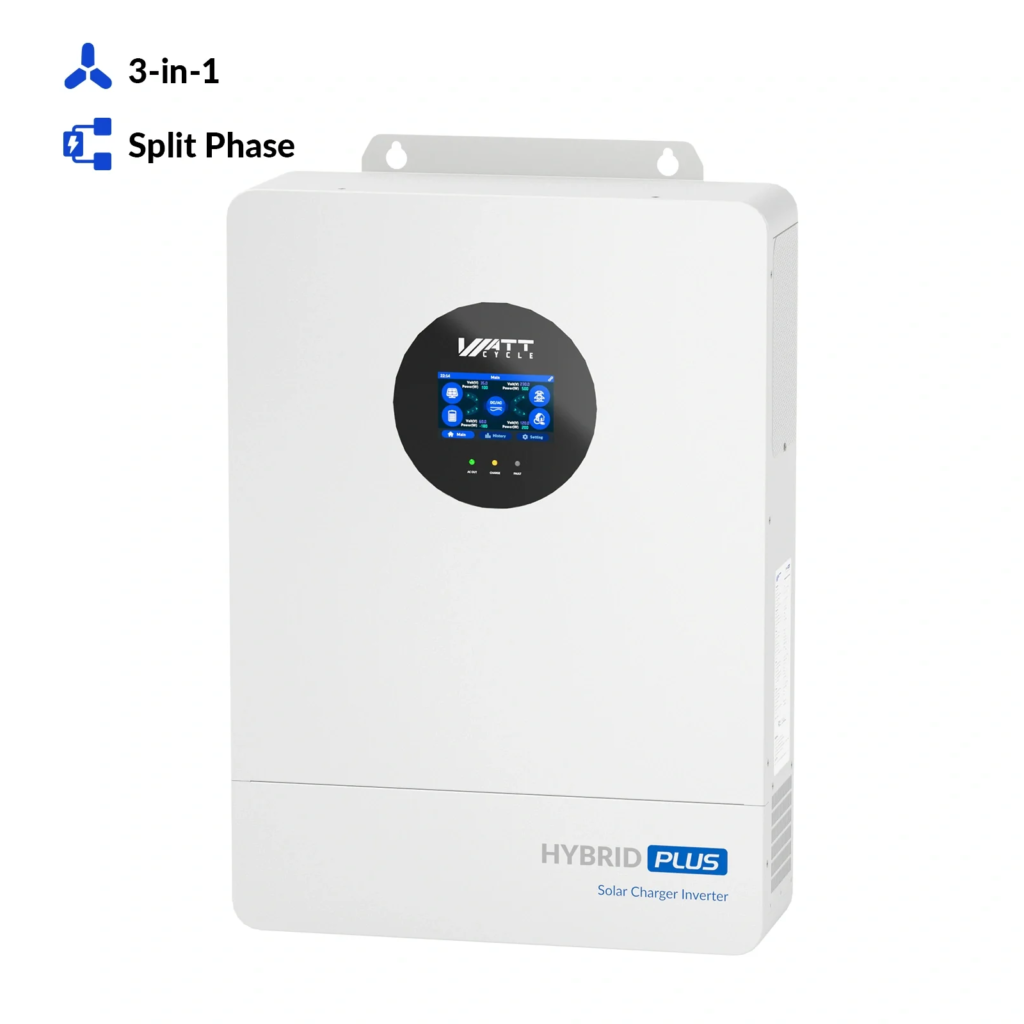
- Inverter → turns it into usable electricity
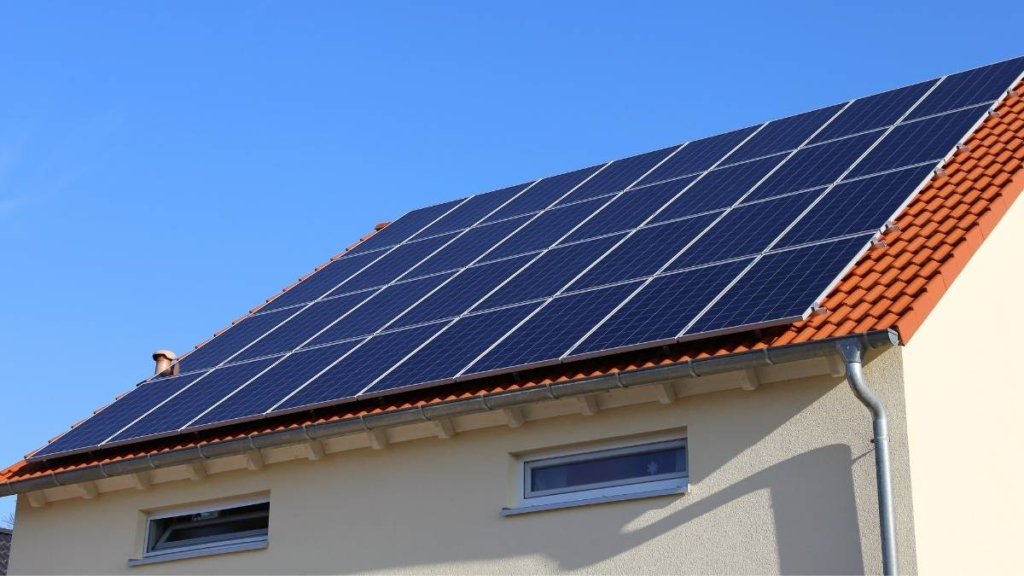
- Solar panels → generate power
That’s it.
Everything else builds from these basics.
SIMPLE STARTER SETUP
If you’re just getting started, don’t overthink this.
You don’t need a full system on day one.
You just need something that works.

COST
What This Might Cost
Basic starter setup:
$1,500 – $3,000
More complete system:
$4,000 – $8,000+
👉 Most people get in trouble by trying to build a full system right away.
Start small. Expand later.
Overbuilding too early
You don’t need to power everything on day one.
Buying cheap gear that fails
Cheap equipment usually costs more in the long run.
Not planning for expansion
Make sure your system can grow with you.
Guessing your power needs
Know what you actually need to run.
Common Mistakes to Avoid
Mistakes that cost time and money.
RELATED RESOURCES
- How You’ll Get Water → /resources/water-systems/
- What You’ll Do for Waste → /resources/waste-solutions/
- Getting the Land Ready to Build → /resources/site-prep/
Still Figuring Things Out?
Power is only one part of the equation.
Before you fall in love with a piece of land, make sure the whole picture works.

AFFILIATE DISCLAIMER
Some of the links on this page are affiliate links, which means I may earn a small commission if you choose to purchase through them—at no extra cost to you.
I only recommend products I believe are useful and worth considering based on real-world use and research.