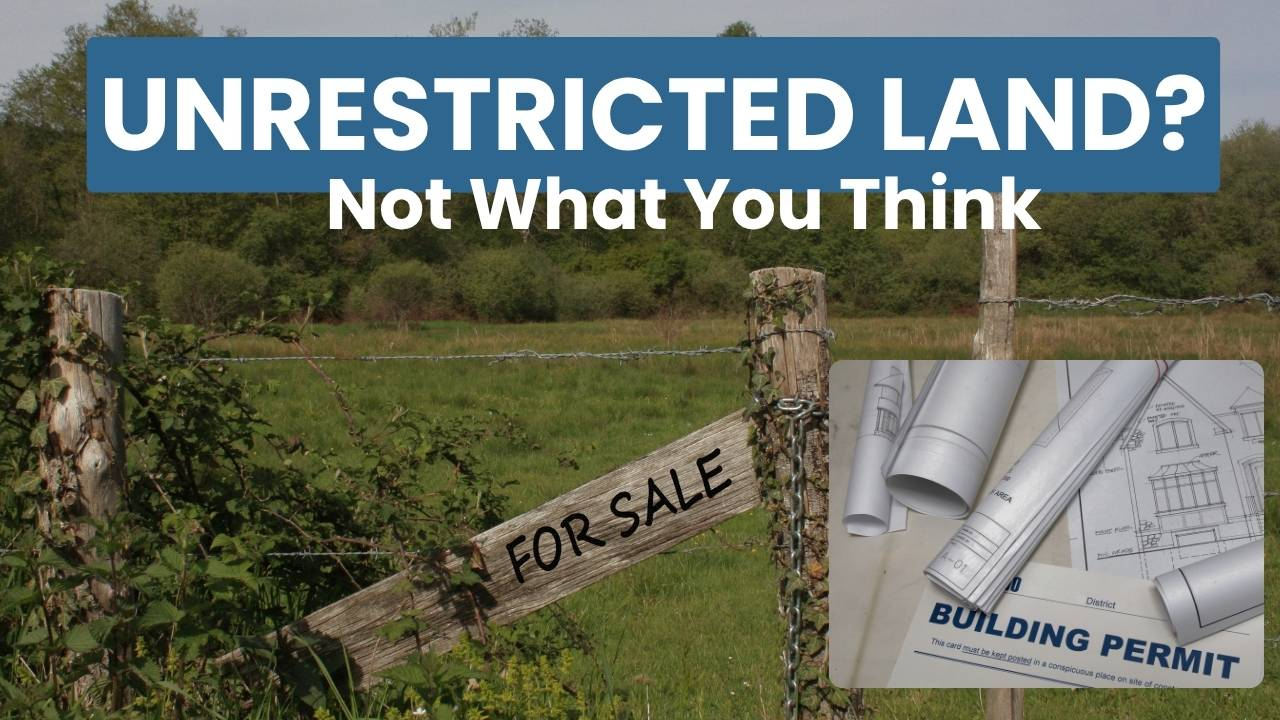
If you’ve spent any time looking at land listings online…
you’ve probably seen this phrase everywhere:
“Unrestricted Land.”
And the way it’s presented usually makes it sound like freedom.
No rules.
No red tape.
Do whatever you want.
But here’s the problem:
A lot of people hear “unrestricted”…
and assume it means no regulations at all.
And that assumption has cost people a lot of money.
Because in most cases…
Unrestricted land does NOT mean what people think it means.
It doesn’t mean there are no rules.
It usually just means:
There’s no HOA or private restrictions.
And if you misunderstand that difference…
you can buy a piece of land thinking you have total freedom…
only to discover later that the county still controls what you can build.
Why “Unrestricted Land” Sounds So Good
There’s a reason that word shows up everywhere.
It sells.
Because people today are tired of rules.
They’re tired of HOAs telling them:
- what color their house can be
- what kind of fence they can build
- whether they can park an RV
- or whether a shed is allowed
So when someone sees:
“Unrestricted Land”
…it feels like freedom.
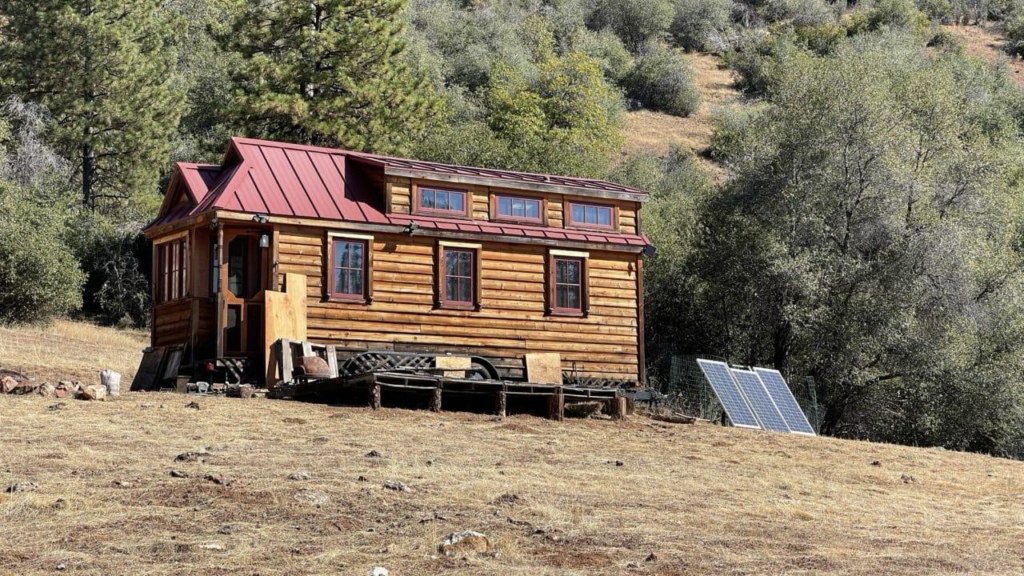
You picture a place where you can:
- build a small house
- live in a camper
- start a garden
- build a shop
- live simply
And emotionally… that’s powerful.
But listings are marketing.
And marketing language is always simpler than reality.
Because when sellers say unrestricted…
what they usually mean is:
No private restrictions attached to the property.
That’s good.
But it’s not the whole story.
The Two Types of Land Restrictions (This Is Where Most People Get It Wrong)
To really understand land…
you need to understand this one key distinction:
1. Private Restrictions (What “Unrestricted” Usually Refers To)
These are rules created by developers or neighborhoods:
- HOA rules
- deed restrictions
- subdivision covenants
- architectural requirements
These can control things like:
- minimum house size
- exterior materials
- RV use
- outbuildings
When a listing says “unrestricted”…
👉 it usually means these don’t exist.
2. Public Regulations (What Still Applies No Matter What)
This is the part most buyers miss.
Even if there are no private restrictions…
👉 county and state regulations still apply.
These include:
- zoning classifications
- minimum dwelling size
- setback requirements
- septic approval
- driveway permits
- road access
- environmental rules
And here’s the key:
The county enforces these rules whether the listing mentions them or not.
The Hidden Gap Between Listings and Reality
Real estate listings are written for buyers.
Counties regulate using legal code.
Those are two completely different languages.
A listing might say:
“Perfect unrestricted land for a tiny home.”
But the county might say:
“Minimum 900 sq ft single-family dwelling required.”
Same property.
Completely different meaning.
If you don’t verify that difference…
👉 you won’t discover it until after you buy.
The Most Common “Unrestricted Land” Mistakes
This misunderstanding shows up the same way over and over.
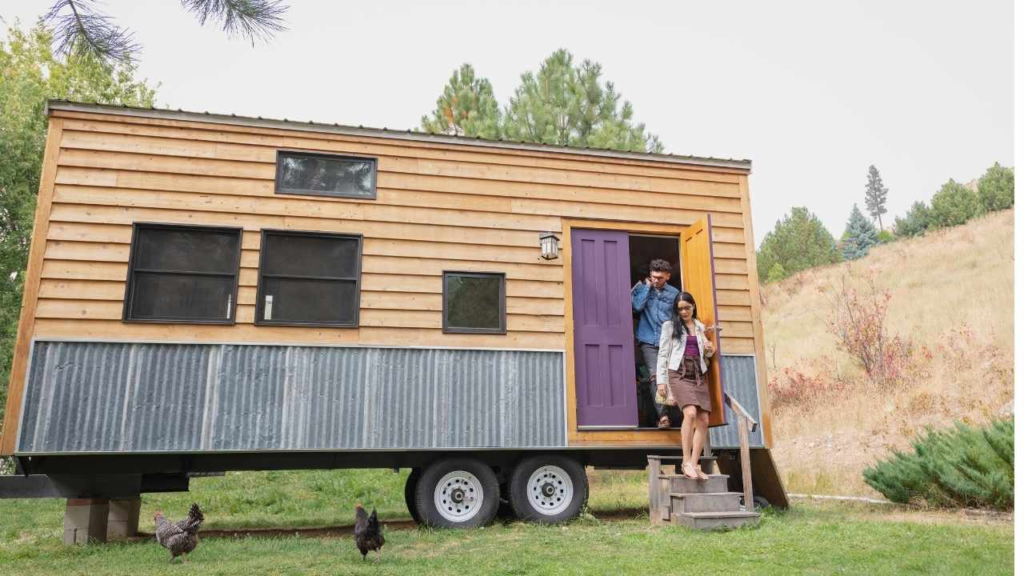
Mistake #1 — Assuming Tiny Homes Are Allowed
“Unrestricted” does NOT guarantee you can build a tiny home.
The county may still require:
- minimum square footage
- permanent foundation
- specific dwelling classification
Mistake #2 — Assuming You Can Live in an RV
This is one of the biggest surprises.
Many counties restrict:
- long-term RV living
- temporary structures
- utility requirements
So even if it’s “unrestricted”…
👉 you may NOT be allowed to live in a camper full-time.
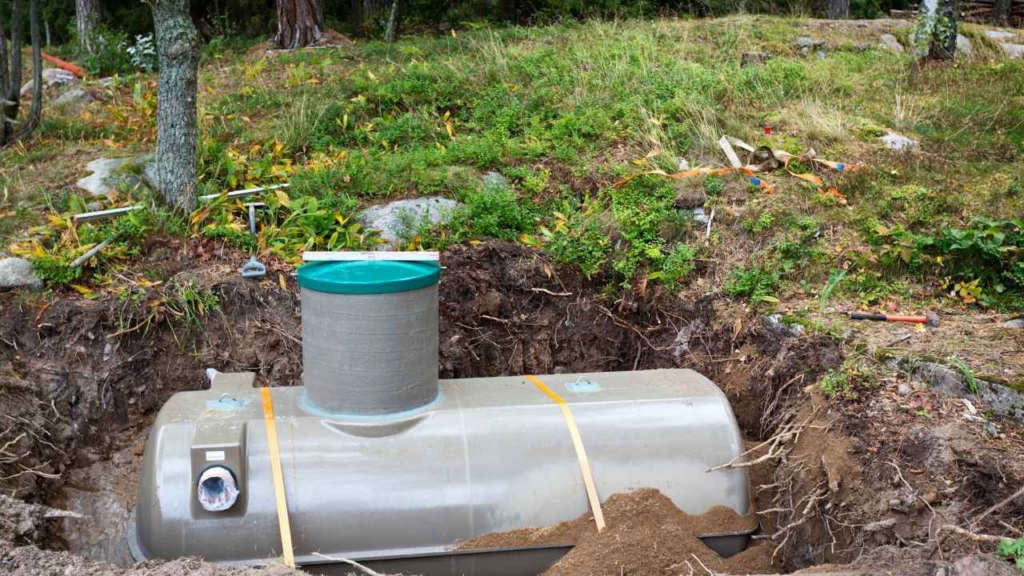
Mistake #3 — Ignoring Septic Feasibility
Even if zoning allows a house…
👉 the land still has to support a septic system.
That depends on:
- soil conditions
- slope
- water table
- usable area
No septic approval = no legal dwelling.
Mistake #4 — Overlooking Access Requirements
Counties often require:
- driveway permits
- culverts
- minimum road frontage
- emergency access
And none of that shows up in the word “unrestricted.”
What You Should Ask Instead
Instead of asking:
“Is the land unrestricted?”
Ask this:
“What are the actual requirements for building here?”
That means verifying:
- zoning classification
- allowed dwelling types
- minimum square footage
- setback requirements
- septic feasibility
- driveway/access rules
- utilities
This is where most people either:
- protect themselves
or - make an expensive mistake
The Right Way to Think About “Unrestricted Land”
Here’s the mindset shift that will save you:
Instead of thinking:
“Great — no rules.”
Train yourself to think:
“Okay — no HOA… now I need to verify county rules.”
That one shift changes everything.
The Order That Actually Works (Most People Get This Backwards)
Land development follows a sequence:
- Zoning
- Allowed use
- Size requirements
- Setbacks
- Access
- Utilities
- Septic
Only after those line up…
👉 then you design what you want to build.
Most people do the opposite.
They start with the dream…
and try to force the land to match it.
But the land always wins that argument.
Practical Takeaway
“Unrestricted land” does NOT mean no rules.
It means:
No private restrictions — but public regulations still apply.
And those public rules are what determine whether your plan will actually work.
If You Want to Do This the Right Way
This is exactly why I built the system I use.
Because most people don’t fail from lack of motivation…
they fail from lack of structure.
If you want a step-by-step way to:
- evaluate land listings
- verify county rules
- check septic and access
- and document everything before you buy
👉 You can see the full system here:
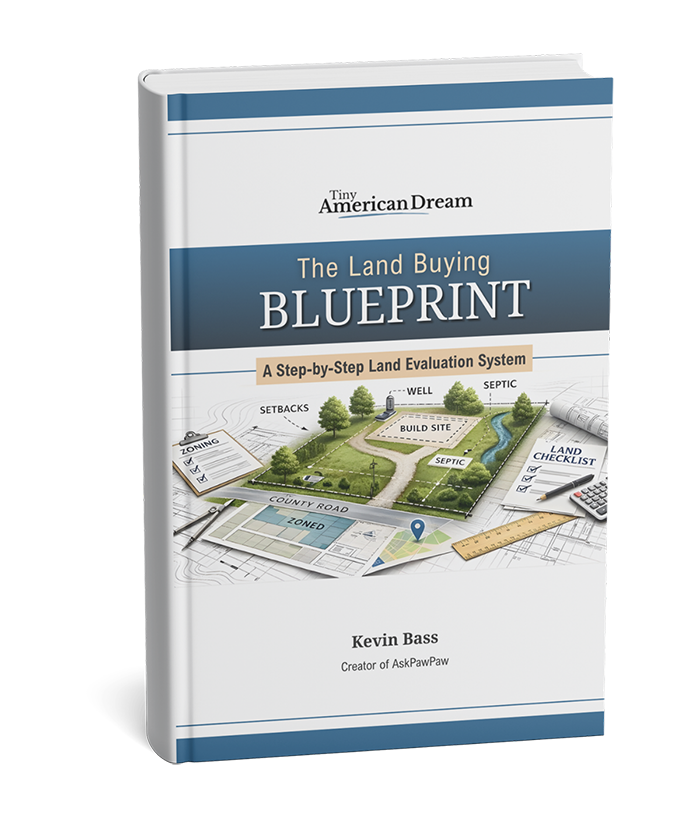
That’s exactly what I walk through step-by-step in the Land Buying Blueprint.
It’s designed to help you make a smart decision before you buy.
Not Sure Where to Start?
If this feels overwhelming, that’s normal.
👉 Start here instead:
Related Reading
To go deeper, you may also want to read:
- Why Cheap Land Isn’t Always Cheap
- How to Call the County Before You Buy
- Septic Basics: What Makes Land Buildable
Final Thought
Land can absolutely give you freedom.
But real freedom doesn’t come from ignoring the rules.
It comes from understanding them first.
Because when you understand the rules…
you can build with confidence
avoid surprises
and protect your investment
👉 And that’s what the Tiny American Dream is really about.