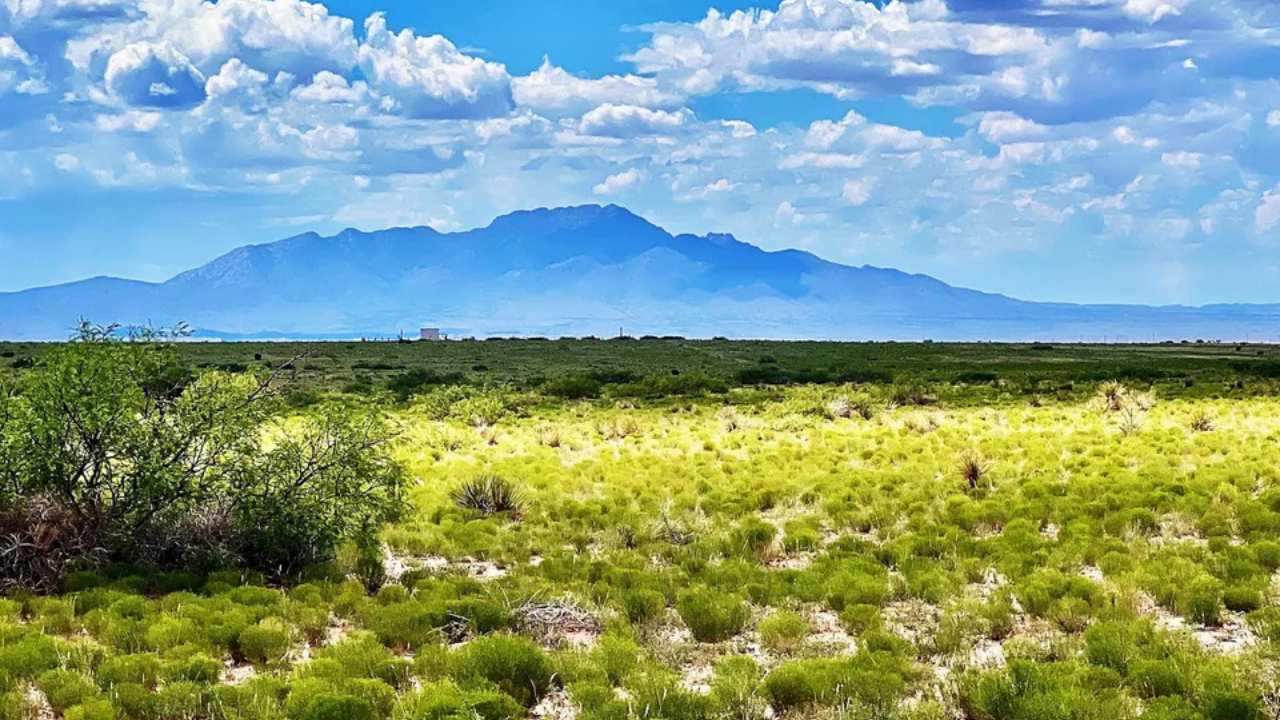
This 1-acre property in Socorro County, New Mexico looks like a dream on paper—$2,500, no restrictions, RV-friendly, and tiny homes allowed.
But listings like this can be misleading if you don’t understand what comes with them.
In this breakdown, I’ll walk you through what this land really offers—and what it actually takes to make it work.
Quick Property Snapshot
🔗 Listing Link: https://www.land.com/property/belen-new-mexico-87801/24005382/
- Location: Socorro County, New Mexico
- Area: Rio Grande Estates
- Price: $2,500
- Size: 1 acre
- Property Type: Undeveloped land
- Use Type: Recreational / Residential
- Zoning: Unrestricted / no zoning listed
- HOA: None
- RV Friendly: Yes, year-round RV parking permitted
- Tiny Homes: Allowed per listing
- Water: Private well or hauled water
- Sewage: Septic or composting system needed
- Power: Solar is usually the most cost-effective option
- Internet: Satellite internet or mobile service
- Road Access: Yes
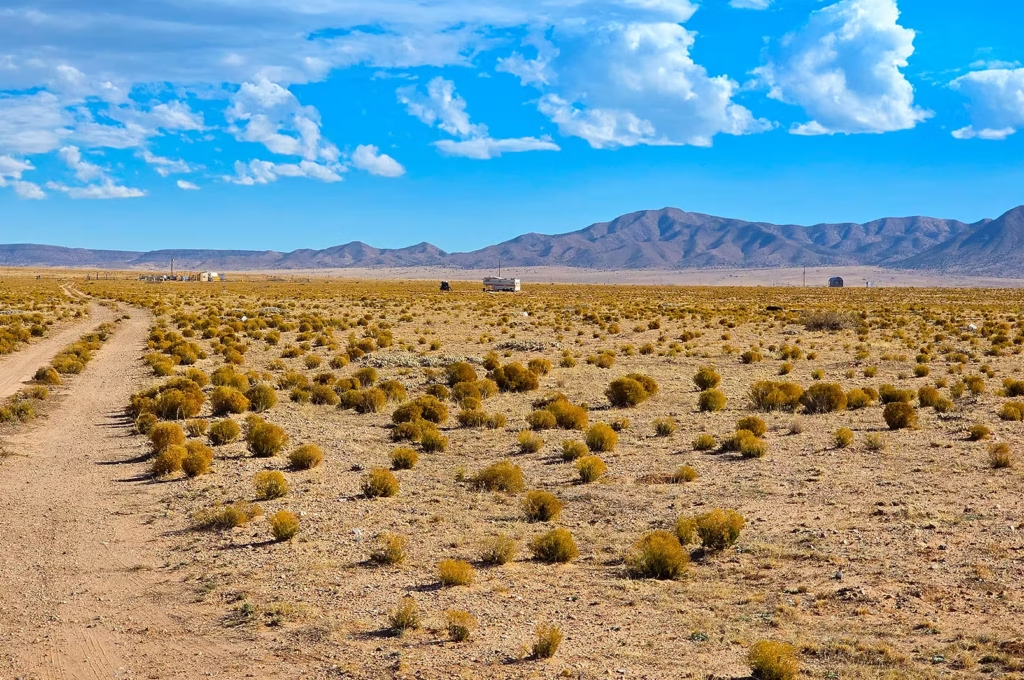
Why This Property Stands Out
This is the kind of listing that gets people excited fast.
You see language like:
- no restrictions
- RV living allowed
- tiny homes okay
- no HOA
- no zoning
And on the surface, it sounds like the perfect setup.
That’s exactly why this property is worth breaking down.
Because this is not a bad property.
But it is cheap for a reason.
And if you don’t understand that reason going in, this is the kind of property that can turn frustrating real fast.
What makes this land attractive is also what makes it challenging. It offers flexibility, but very little has been done for you. That means the buyer has to bring the systems, the plan, and the patience.
This is not plug-and-play land.
This is land for someone who understands that cheap entry price and easy living are not the same thing.
What I’d Verify First
- Call the county to confirm what “no zoning” actually means
- Ask specifically about full-time RV living rules
- Confirm whether septic approval is required
- Verify legal access, not just physical access
- Check whether the subdivision has known issues or patterns
These five checks alone can save you from making a bad decision.
Legal / Zoning Questions
The listing presents this property as unrestricted, with no zoning and no HOA. It also says RVs and tiny homes are allowed.
That sounds great, but this is still where I would slow down and verify things carefully.
Questions I would want answered before buying:
- Does “no zoning” truly mean there are no county-level use restrictions that would affect my plan?
- Is full-time RV living allowed with no time limits or special conditions?
- Would a tiny home on wheels, tiny home on skids, mobile home, or other alternative setup all be treated the same?
- Are there any rules around septic approval even if the area has no building codes listed?
- Are there any subdivision-specific issues that don’t show up in the listing?
- Is road access just physical access, or is legal access properly documented?
A lot of people see the word “unrestricted” and stop asking questions.
That’s a mistake.
Unrestricted does not mean thoughtless. It just means you need to verify the right things before assuming your plan will work.
Physical Feasibility Questions
The next question is not just “Can I buy it?”
It’s “Can I actually live the way I want to live on this land?”
That means looking at the real-world physical side of the property:
- What is the road really like getting in and out?
- Is it easy year-round access or just technically accessible?
- Is the land level enough for an RV or small structure?
- Are there drainage concerns when weather hits?
- Is the soil suitable for septic?
- How exposed is the land to wind, heat, and general weather conditions?
- How far does it really feel from gas, groceries, hardware stores, and everyday needs?
This is where remote desert land starts to become less about the listing and more about the lifestyle.
Because once you’re out there, everything becomes a trip.
This isn’t “run to the store real quick” living.
This is planning ahead, stocking up, and being intentional with your time and errands.
Some people love that.
Some people don’t realize what that feels like until they’re already committed.
Utility / Infrastructure Considerations
This is where the real cost starts to show up.
The land itself may be cheap, but the systems needed to live on it are not automatic. They become your responsibility.
Water
There is no public water here.
So your basic options are:
- drill a well
- haul water
- or possibly pay for water delivery if available in the area
That means you are not just asking, “Can I get water?”
You are asking:
- What will it cost?
- How often will I have to deal with it?
Does that lifestyle actually fit me?
Power
The listing mentions solar, and that makes sense for this kind of area.
But “solar” can mean a lot of different things.
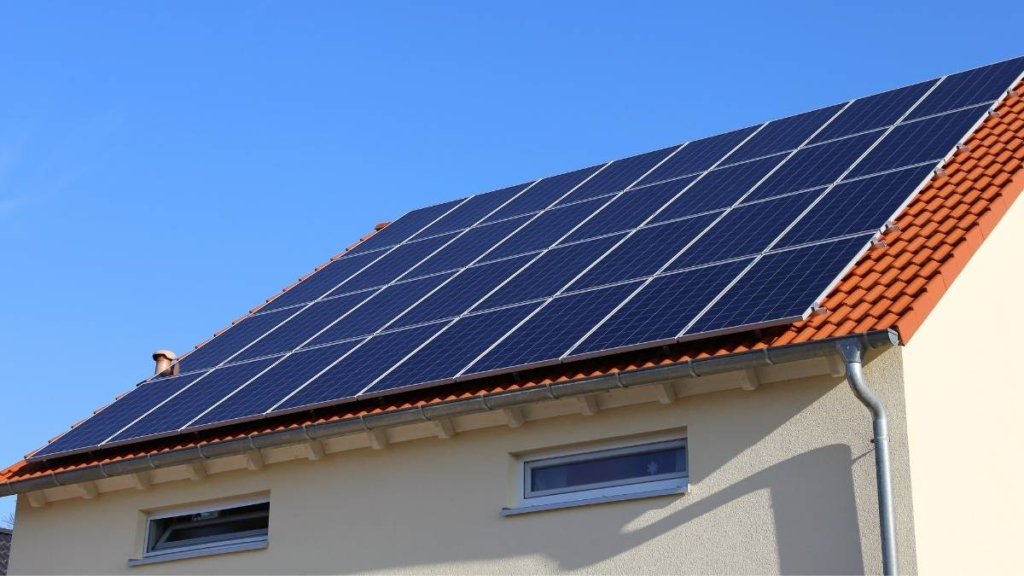
There is a big difference between:
- a small starter setup
- and a system that supports comfort, refrigeration, tools, cooling, and daily convenience
If your expectations are modest, that may be manageable.
If you want something that feels more like conventional living, costs can climb quickly.
Sewage
You’ll need either:
- a septic system
- or some kind of composting toilet setup
That may not sound like a big deal on paper, but it matters a lot in real life.
A septic system can be a major cost.
A composting toilet is cheaper, but it is definitely a lifestyle adjustment.
Internet
Satellite or mobile internet may be enough to get by.
But “available” does not always mean fast or reliable.
That’s worth thinking through ahead of time if you plan to work remotely, stream heavily, or rely on stable service.
What This Land Might Really Cost to Make Work
This is the part that changes the whole conversation.
It’s easy to think of this as a $2,500 property.
But that’s only the entry point.
If you actually want to live on this land, you need to think about setup costs and lifestyle costs.
Water Setup
- Private well: possibly $15,000–$30,000+, depending on depth and conditions
- Hauled water setup: tank, plumbing, pump, hauling system, and recurring refill costs
- Water delivery: convenient, but likely more expensive over time
Solar / Power
- Basic starter setup: around $1,500–$3,000 just to get going
- More comfortable setup: significantly more if you want refrigeration, more appliances, or cooling
- Air conditioning: can push you into a much larger system
Sewage
- Septic system: potentially a major expense depending on site conditions and local requirements
- Composting toilet: cheaper upfront, but not for everybody
Other Real Costs
- Site prep
- Shade or shelter
- Storage
- Propane or cooking systems
- Tank setup
- Regular trips to town
- Time and Fuel
That’s why this is not just a cheap piece of land.
This is a project.
This is a lifestyle shift.
And this is something you build into over time.
Who This Property Might Work For
This property might work for someone who:
- is willing to live simply at first
- is comfortable starting with an RV
- understands off-grid tradeoffs
- is patient enough to build things out piece by piece
- does not expect comfort right away
- wants flexibility more than convenience
- is willing to plan around water, power, and distance
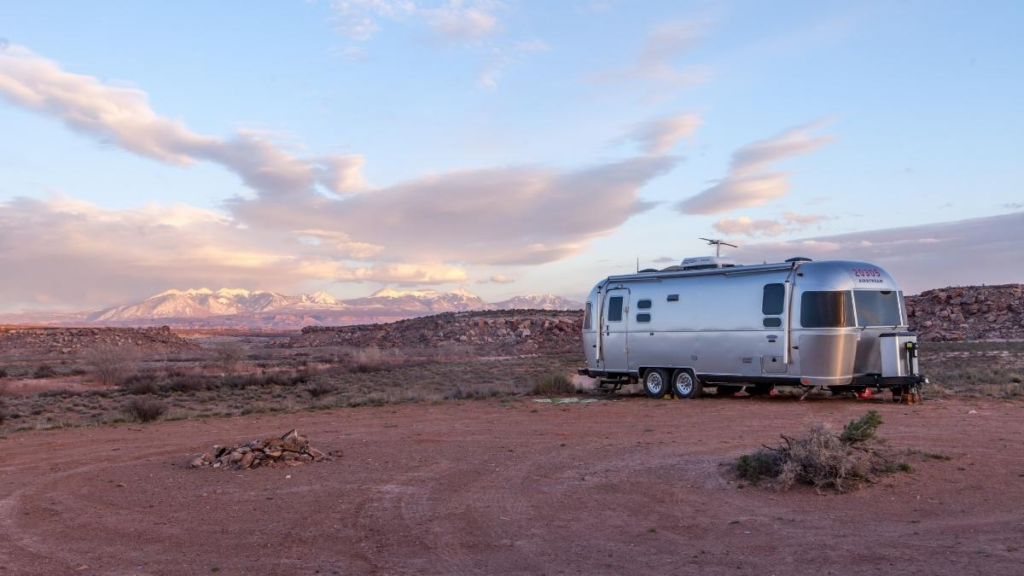
In other words, this works best for someone who sees the property as a starting point, not a finished solution.
Someone who can start small and improve things over time may be able to make this work.
Who Should Probably Avoid It
This property is probably not a good fit for someone who wants:
- easy setup
- immediate comfort
- plug-and-play living
- city-style convenience
- predictable infrastructure from day one
- a property that feels finished the moment they buy it
If you are drawn mainly to the low price but have not really thought through water, power, waste, and distance, this is probably not the right setup for you.
Final Verdict
So would I consider this property?
Yes… maybe… for the right person.
But not for someone looking for:
- easy
- comfortable right away
- or plug-and-play living
This is the kind of land that can work if you come into it with the right mindset.
You could start with an RV.
Set up a composting toilet.
Haul water.
Run a small solar setup.
Live simple at first.
And then over time:
- improve your solar
- upgrade your water system
- maybe build a small structure
- create a more comfortable setup piece by piece
That’s how a lot of people actually make land like this work.
Not all at once.
But over time.
There’s nothing wrong with land like this.
But it’s not magic land.
It’s honest land.
It doesn’t promise comfort, and it doesn’t come ready.
It gives you the opportunity to build something — but it’s going to take time, effort, and patience to get there.
So the real question is not just, “Is this a good deal?”
The real question is:
Does the lifestyle this land requires actually fit who you are and how you want to live?
Before You Buy Land Like This…
Listings like this look simple—but they’re where most people make expensive mistakes.
Before you buy land like this, you need to think through things most listings don’t tell you:
- water
- power
- waste
- access
- real-world livability
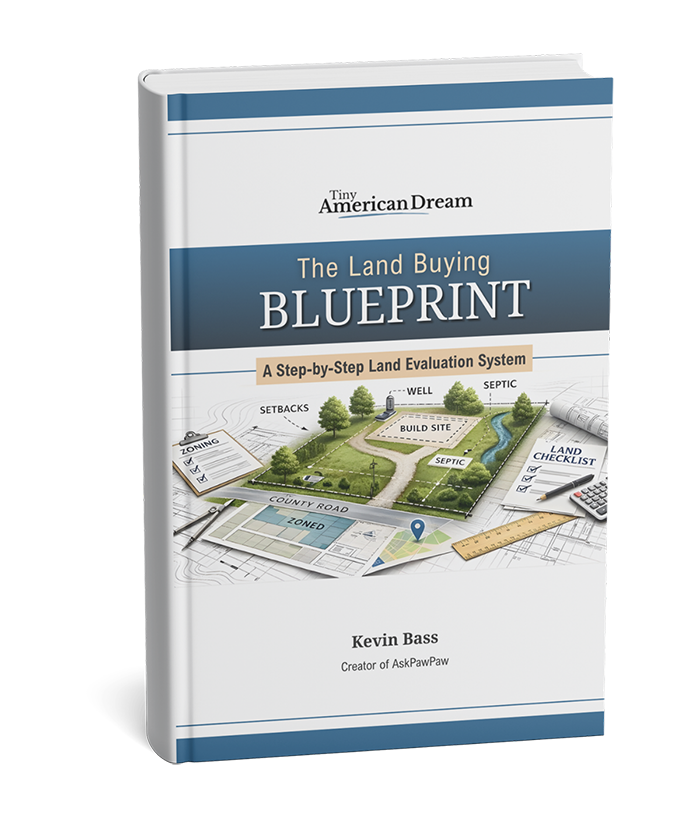
That’s exactly what I walk through step-by-step in the Land Buying Blueprint.
It’s designed to help you make a smart decision before you buy.
Related Learn Links
- What “No Restrictions” Really Means (And Why It Can Cost You If You Get It Wrong)
- How to Call the County Before You Buy Land (And What to Ask)
- Why Cheap Land Isn’t Always Cheap
Helpful Resources
- Anker SOLIX C2000 Gen2 — starter portable power option
- Water storage / hauled water planning resources
- Starter off-grid solar resources
- RV and simple off-grid setup resources
Don’t Know Where To Start…
If you’re still early in the process and trying to figure out what kind of land actually fits your goals, start there first.
The Start Here Guide can help you think through the basics before you get attached to the wrong listing.