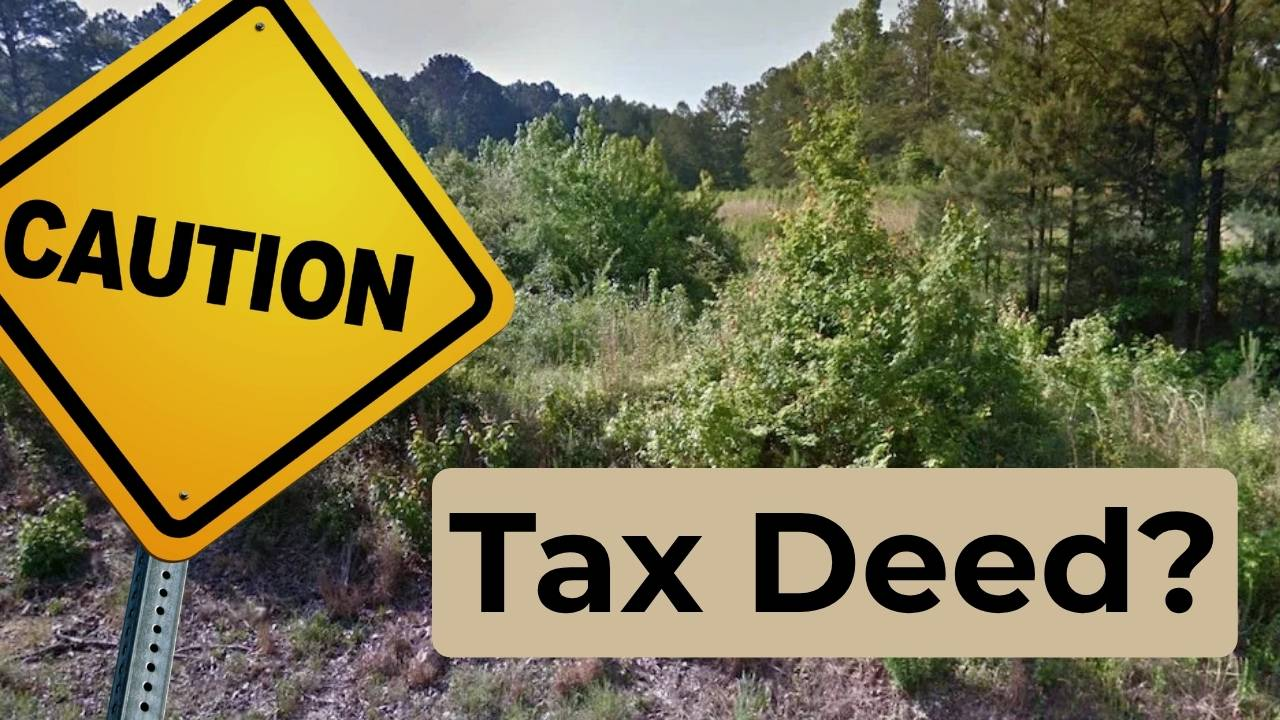
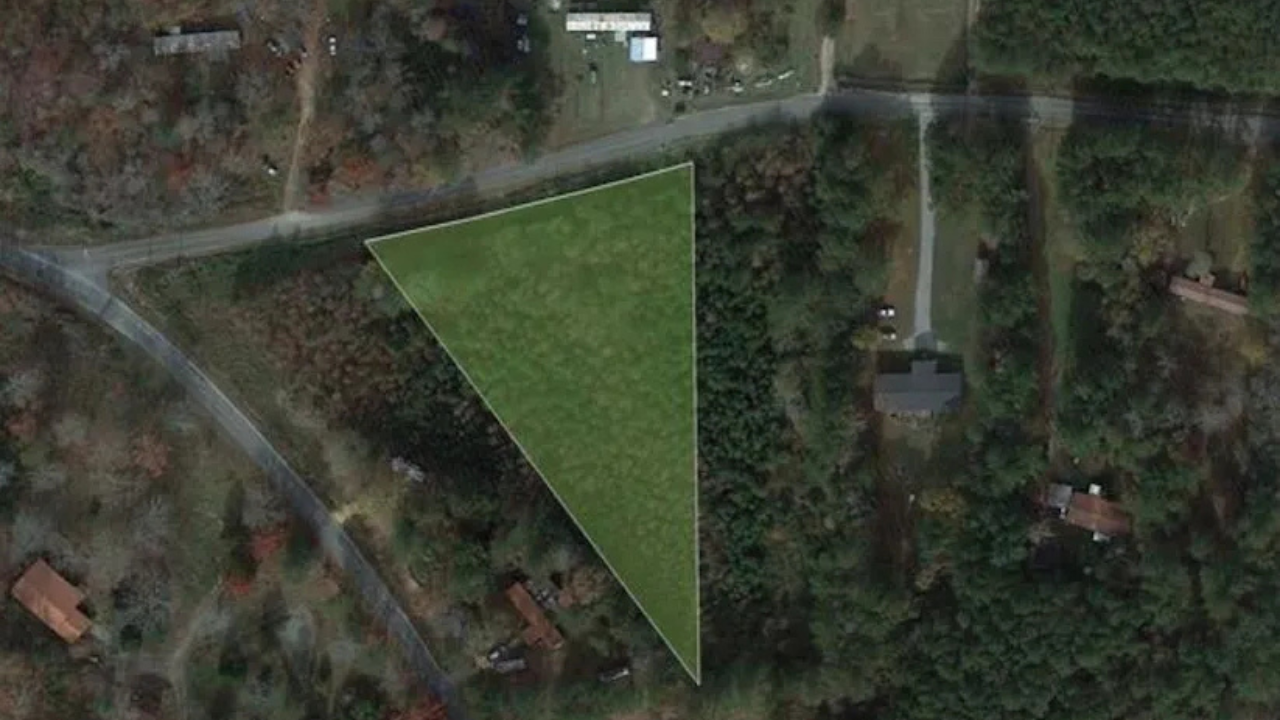
This 1.65-acre property in Calhoun County, Alabama looks pretty attractive at first glance—$10,000, near Jacksonville, city water available, and no HOA.
Compared to a lot of the remote desert land we’ve reviewed recently…
this one actually feels more realistic.
But buried inside this listing are two words that completely change the conversation:
👉 Tax deed
And if you don’t understand what that means before you buy land…
you can end up buying a legal headache instead of a piece of property.
In this breakdown, I’ll walk you through what a tax deed actually is, why it matters, and what questions you need to ask before moving forward on land like this.
Quick Property Snapshot
🔗 Listing Link: https://www.landwatch.com/franklin-county-arkansas-undeveloped-land-for-sale/pid/426244472
https://www.land.com/property/1.65-acres-in-calhoun-county-alabama/26001127/
- Location: Calhoun County, Alabama (near Jacksonville)
- Price: $10,000
- Size: 1.65 acres
- Property Type: Undeveloped land
- Use Type: Potential homesite / rural property
- Zoning: Unknown
- HOA: None mentioned
- RV Friendly: Unknown
- Tiny Homes: Unknown
- Water: City water available
- Sewage: Septic likely needed
- Power: Unknown
- Internet: Unknown
- Road Access: Yes
- Key Issue: Tax deed property
Why This Property Stands Out
At first glance, this is the kind of listing a lot of people are looking for.
👉 Affordable price
👉 Rural Alabama
👉 Close enough to town to feel practical
👉 City water available
Compared to many of the remote off-grid desert properties online…
this one feels far more realistic and potentially livable.
That’s exactly why this listing is so interesting.
Because the biggest risk here isn’t utilities.
It isn’t access.
It isn’t even zoning.
👉 It’s ownership clarity.
And that’s the kind of thing most people completely overlook.
What I’d Verify First
Before anything else, I’d want to answer one critical question:
👉 Is the title actually clean and fully secure?
Because when tax deed properties are involved…
you’re not just evaluating the land anymore.
You’re evaluating the legal history attached to it.
And that changes the entire due diligence process.
Legal / Zoning Questions
This listing specifically mentions:
Tax deed
That’s important.
Because tax deed property is not always the same thing as a traditional clean-title sale.
A tax deed property is land that was sold because property taxes were not paid.
At some point:
- Taxes went unpaid
- The county stepped in
- The property was sold through the tax system
On the surface, that sounds straightforward.
But legally…
things can get complicated very quickly.
Especially in Alabama.
Alabama has redemption laws that may allow a former owner to reclaim property under certain conditions by paying:
- Back taxes
- Interest
- Penalties
Now, redemption laws can become very situation-specific and complicated.
So this is NOT legal advice.
This is simply why due diligence matters.
Because someone can look at cheap land…
and completely miss the legal risk attached to the title.
Physical Feasibility Questions
What makes this property fascinating is that outside of the tax deed issue…
it actually looks fairly practical.
This isn’t extreme off-grid desert land.
It’s in Alabama.
It’s near Jacksonville.
It’s near a school.
And for the right person…
this property could potentially make a lot of sense.
But once tax deed status enters the picture…
the physical land itself is no longer the only thing being evaluated.
Now you also need to evaluate:
- Ownership history
- Redemption status
- Title clarity
- Legal documentation
That’s a completely different layer of risk.
Utility / Infrastructure Considerations
Compared to many cheap land listings online…
this property actually appears more realistic from an infrastructure standpoint.
The listing mentions:
- City water availability
- Nearby development
- Road access
That’s important because utilities are often what make cheap land difficult.
However…
there are still several things that would need verification:
- Septic feasibility
- Distance to power
- Internet reliability
- Driveway requirements
- Actual utility connection costs
And none of that removes the need to verify title clarity first.
What This Land Might Really Cost to Make Work
This is where people often get trapped emotionally.
They fall in love with:
👉 The price
👉 The acreage
👉 The dream
Before they understand the paperwork.
But paperwork matters a LOT with land.
Especially tax deed land.
Beyond the $10,000 purchase price…
you may still need:
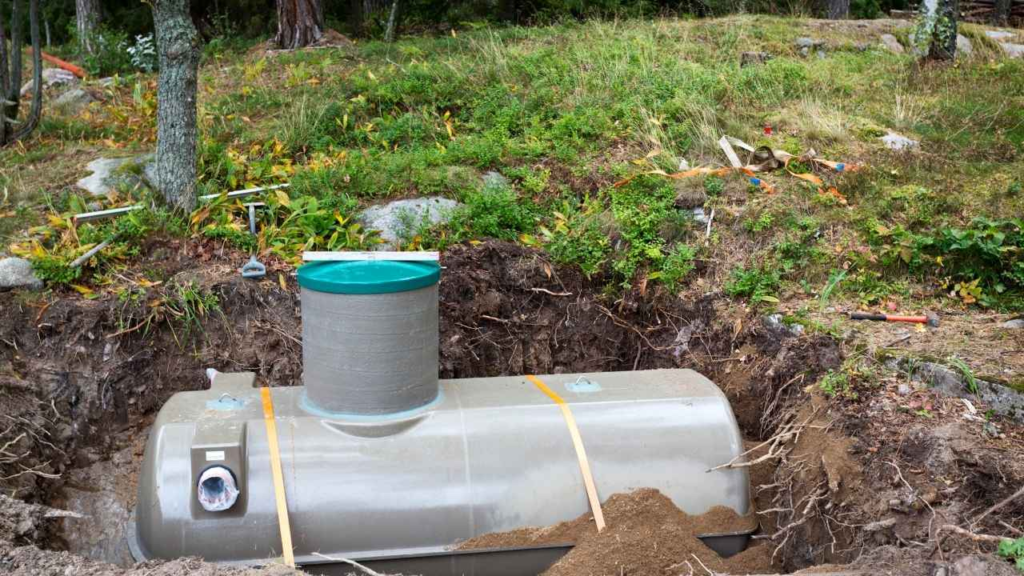
- Septic installation: $5,000–$15,000+
- Utility hookups
- Driveway improvements
- Clearing or grading
- Legal/title work
- Quiet title action (possibly)
- Title insurance costs
And if title complications arise later…

those problems can become expensive very quickly.
Who This Property Might Work For
This property might work for someone who:
- Understands tax deed risk
- Is comfortable doing deep due diligence
- Moves carefully and slowly
- Is willing to verify title history
- Understands legal uncertainty may exist
Who Should Probably Avoid It
This property is probably NOT a good fit if you:
- Assume cheap land automatically means good value
- Don’t understand title risk
- Want a simple “plug-and-play” property
- Aren’t willing to investigate ownership history
- Feel uncomfortable dealing with legal uncertainty
Final Verdict
This is not automatically a bad property.
And honestly…
outside of the tax deed issue…
it may actually be more practical than many cheap land listings we’ve looked at.
But that one issue changes everything.
Because now this isn’t just a land evaluation anymore.
👉 It’s also a legal due diligence evaluation.
And that’s where people get into trouble.
Not because the land was bad…
but because they moved too fast without fully understanding what they were buying.
Cheap land can absolutely work.
But only if you:
👉 Slow down
👉 Ask questions
👉 Verify everything before committing
Because once you close…
you own the problem.
Before You Buy Land Like This…
Listings like this look simple—but they’re where most people make expensive mistakes.
Before you buy land like this, you need to think through things most listings don’t tell you:
- water
- power
- waste
- access
- real-world livability
That’s exactly what I walk through step-by-step in the Land Buying Blueprint.
It’s designed to help you make a smart decision before you buy.
Related Learn Links
- What “No Restrictions” Really Means (And Why It Can Cost You If You Get It Wrong)
- How to Call the County Before You Buy Land (And What to Ask)
- Can You Legally Live in an RV on Your Own Land? (The Truth Most People Miss)
Helpful Resources
If you’re evaluating tax deed land, these are a few resources worth looking into before buying:
Alabama Property Tax Information
👉 https://www.revenue.alabama.gov/property-tax/
Helpful for understanding Alabama property tax processes and redemption rules.
County Probate / Tax Sale Records
👉 Search: “Calhoun County Alabama tax sale records”
This may help you verify ownership history and tax sale details.
FEMA Flood Map
👉 https://msc.fema.gov/portal/home
Always worth checking before purchasing rural land.
Google Earth
Helpful for evaluating terrain, surrounding development, and access.
USDA Web Soil Survey
👉 https://websoilsurvey.sc.egov.usda.gov/
Useful for understanding septic feasibility and soil conditions.
Don’t Know Where To Start…
If you’re still early in the process and trying to figure out what kind of land actually fits your goals, start there first.
The Start Here Guide can help you think through the basics before you get attached to the wrong listing.